Working at the Office of Financial Research was my first government-adjacent role, and it was one I learned a lot from. As a subsidiary of the Department of Treasury, OFR had a specific audience and needed a web presence that felt credible and easy to navigate.
I worked with a small team to bring that to life, and because of our size and the tight turnaround, I was able to have my hands in nearly every part of the project, from design all the way through development.
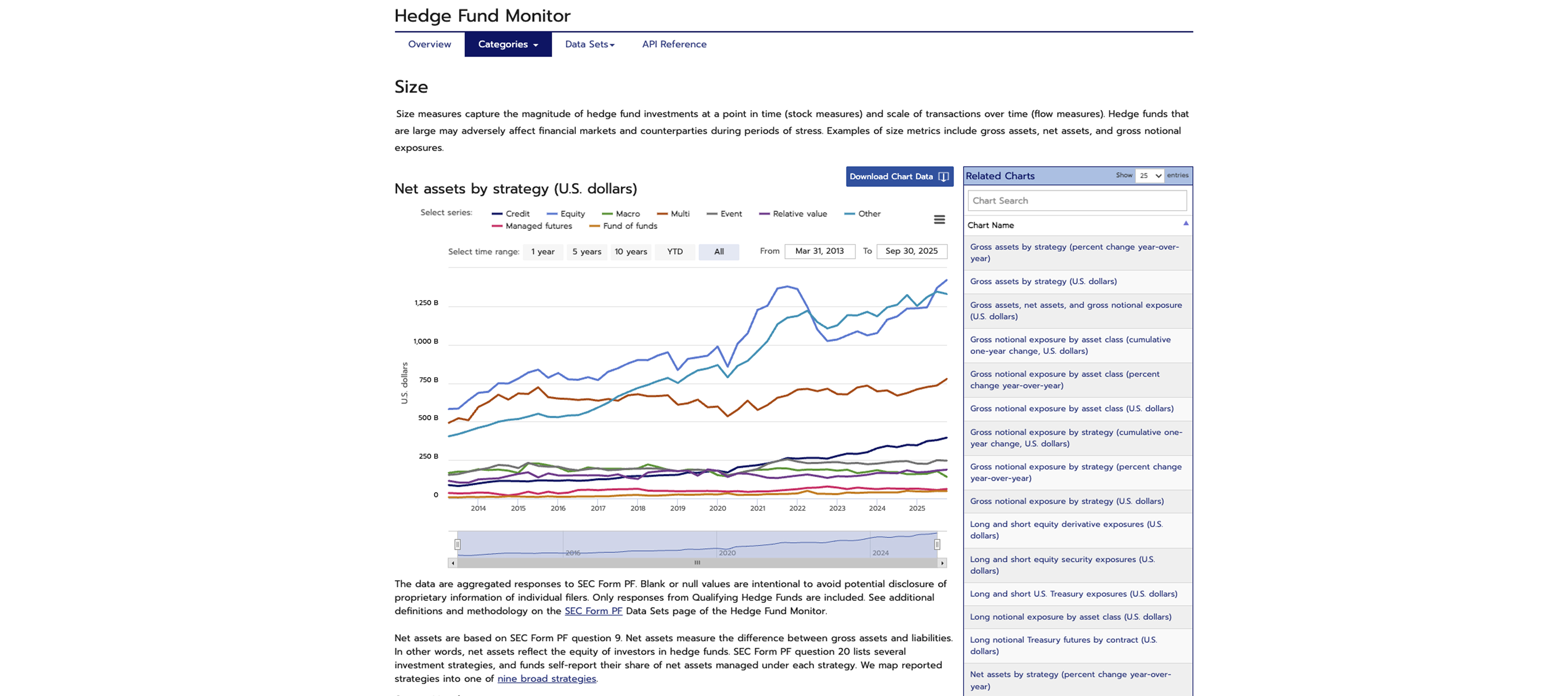
Since the site was heavily focused on data and metrics, we also brought in D3.js to build custom charts and graphs. It was a library I hadn't worked with before, but I picked it up quickly and used it to create interactive data visualizations that made complex financial information more digestible for our audience.
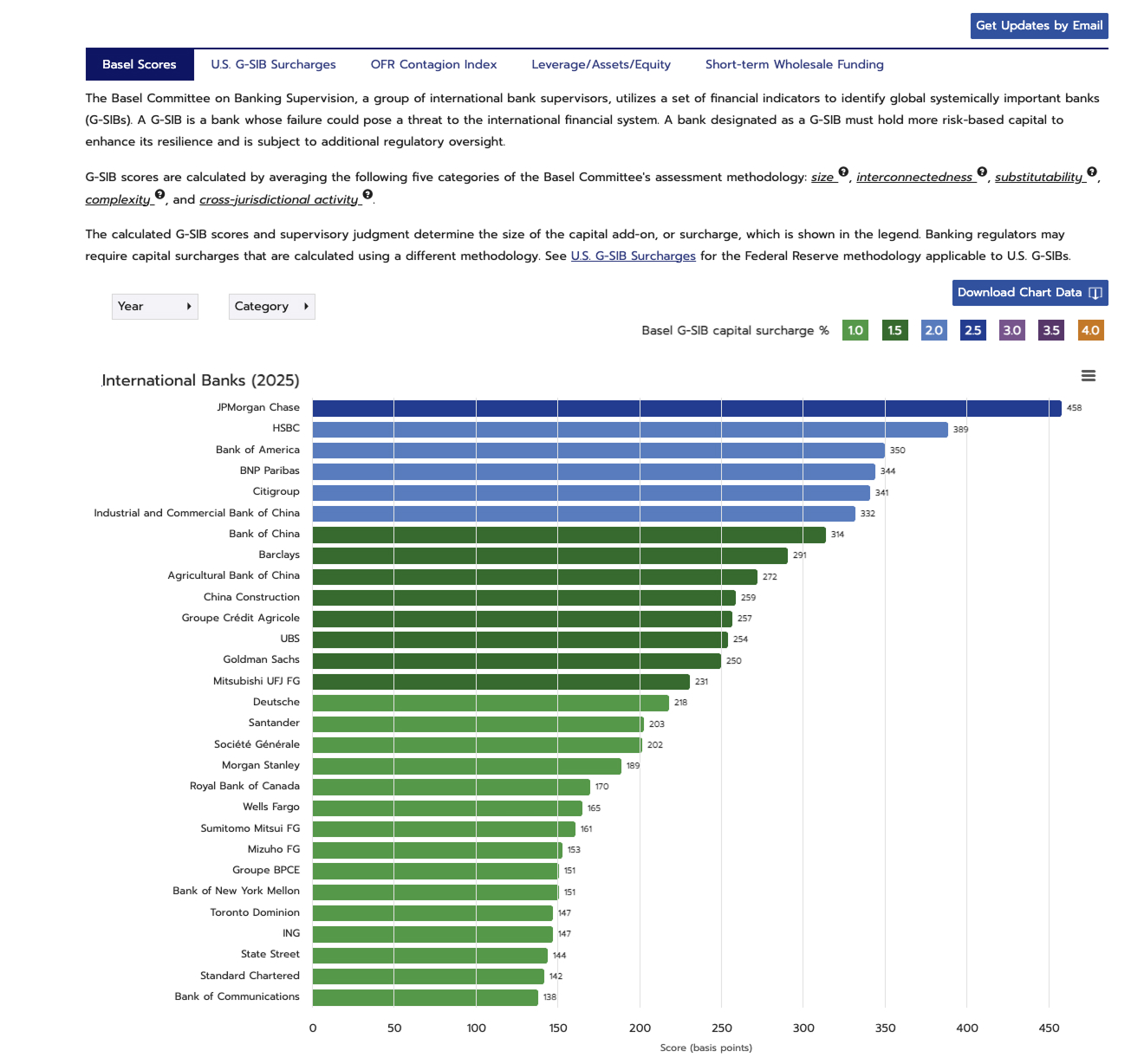
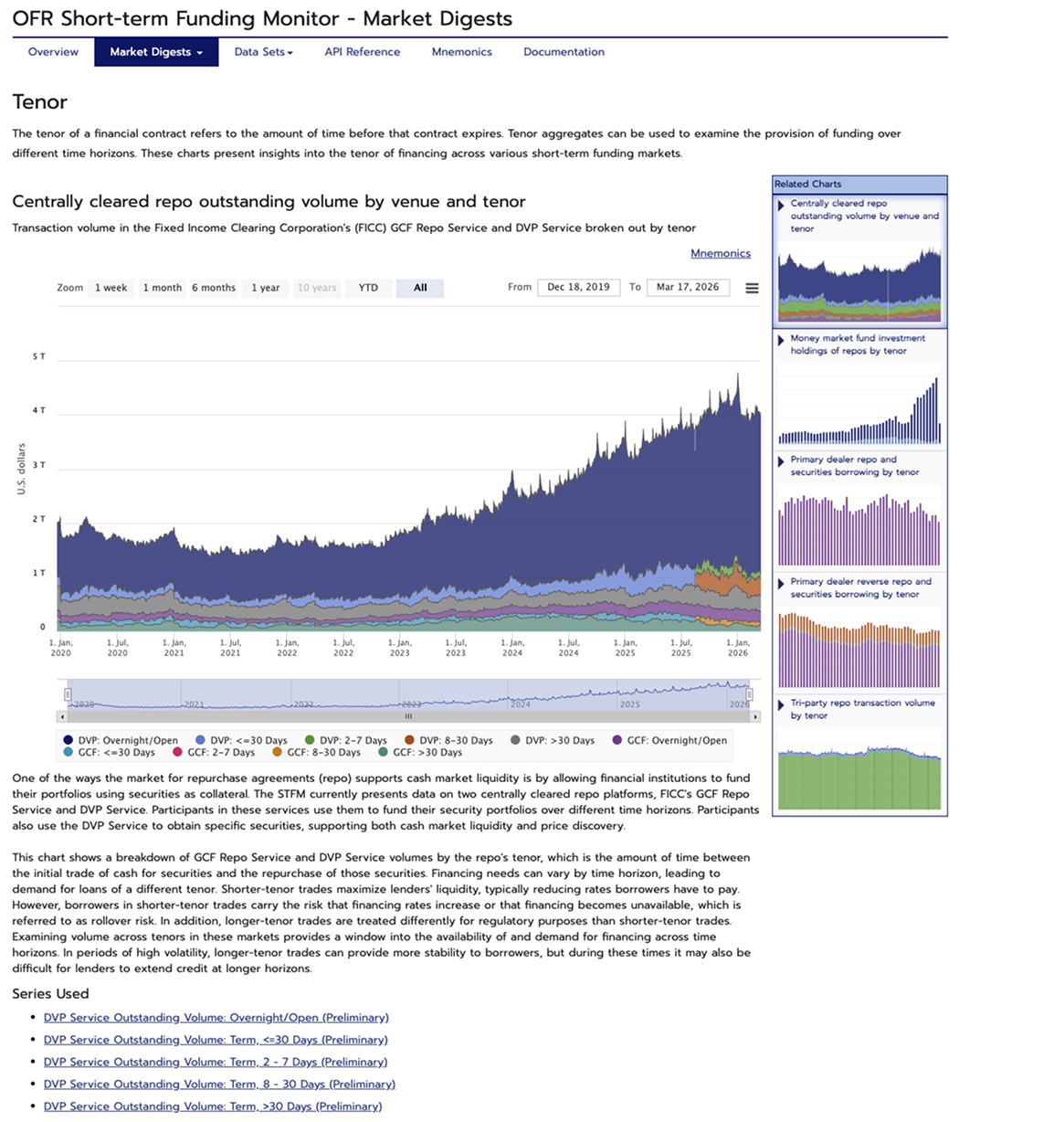
Technical Approach / Challenges
Before any design or development work started, I spent a good amount of time in the research phase alongside a mixed team of designers and developers, working together to figure out the best approach given our timeline, our collective skill sets, and the audience we were building for.
We landed on Jekyll, a static site generator that worked well for a content-heavy government site where clean, maintainable structure mattered. We used SASS for styling, Bower to manage front-end dependencies, and Grunt to handle the build process. Content was written and structured in YAML and Markdown, which kept things straightforward for anyone contributing to the site.
The team followed an agile process throughout, using Jira for task management, Stash for version control and code review, and Confluence to keep documentation organized. Working in that kind of structured environment, especially within a government agency where coordination and sign-off take more time, was a useful early lesson in how process and technical work have to move together.
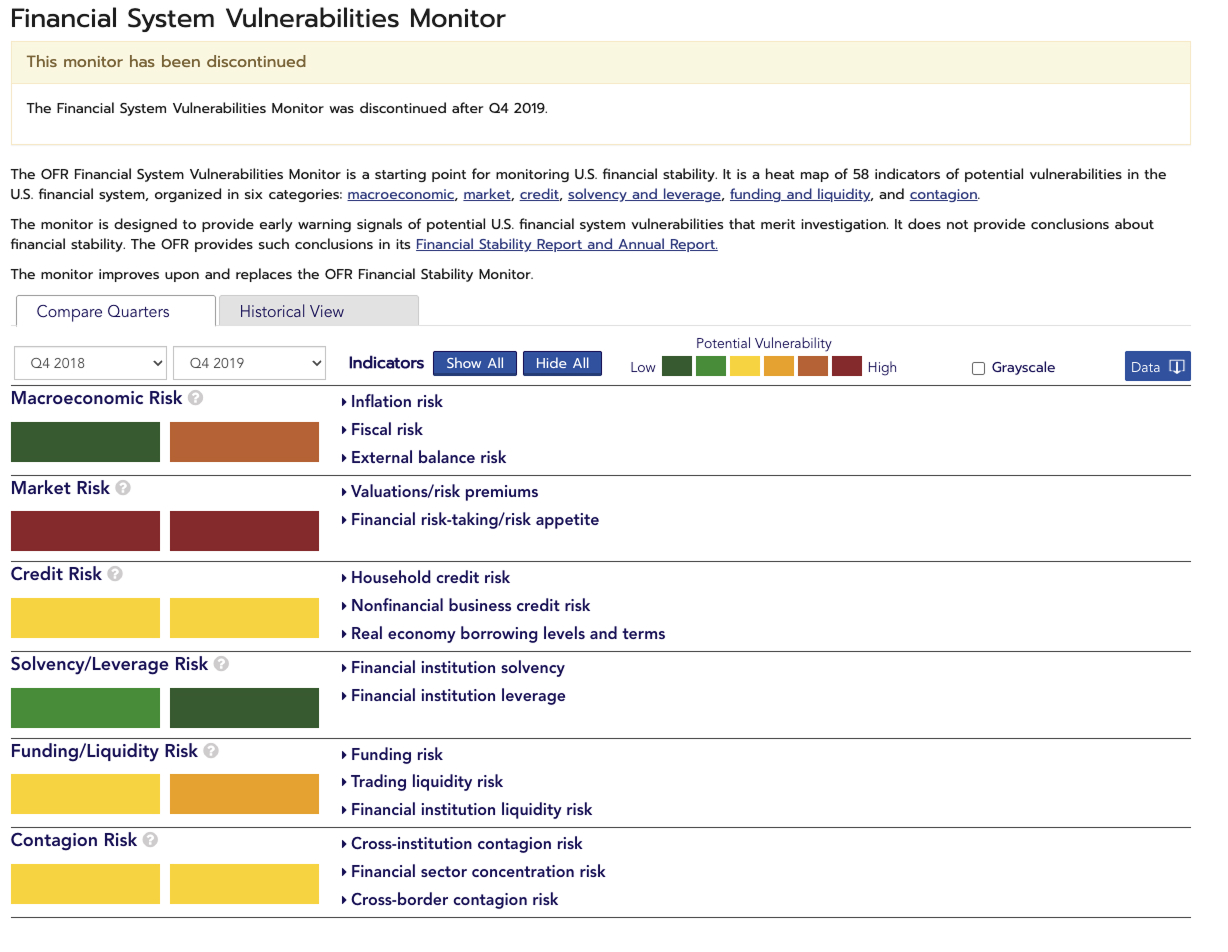
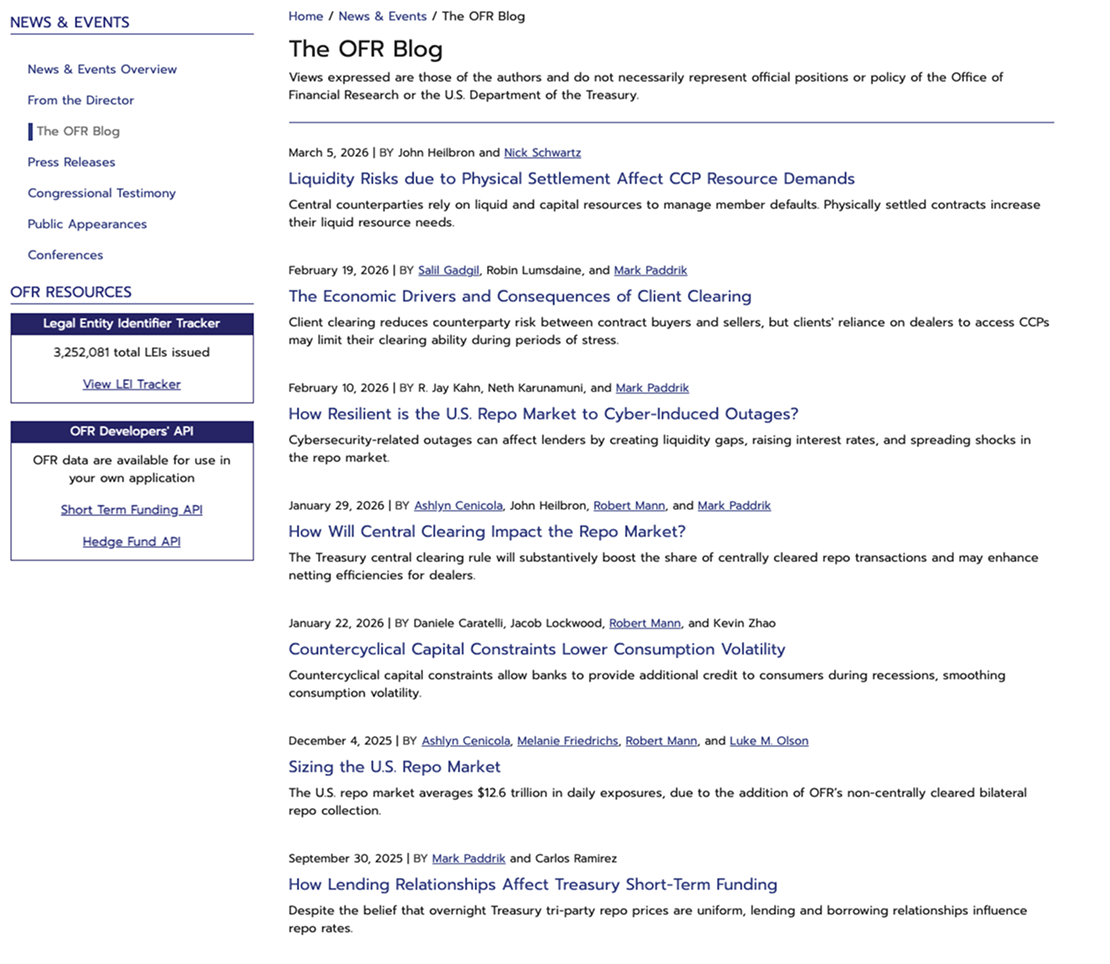
Tech Stack / Project Management
- Site generator: Jekyll with YAML and Markdown for content
- Front-end: HTML, SASS, D3.js for interactive data visualizations
- Build tooling: Grunt, Bower
- Version control: Stash (Bitbucket)
- Project management: Jira, Confluence
- Workflow: Agile with a small cross-functional team
- Scope: UX research, wireframing, mockups, and responsive front-end development
Key Results / Takeaways
The biggest takeaway from OFR was learning how to own a project across its full arc. A lot of roles put you in one lane, but this one asked me to do the research, produce the designs, and then help build what I had designed. That kind of end-to-end involvement made me a more well-rounded contributor and gave me a better sense of how decisions made early in a project affect the work down the line.
It also introduced me to working within a more process-heavy, institutional environment. Government projects move differently than agency or startup work, and learning to navigate that, keeping things moving without cutting corners on coordination, was something I carried into every role after it.
On the technical side, it was an early introduction to static site generation, build tooling, and working with version control in a team setting, all of which became foundational habits that have held up well over the years.